

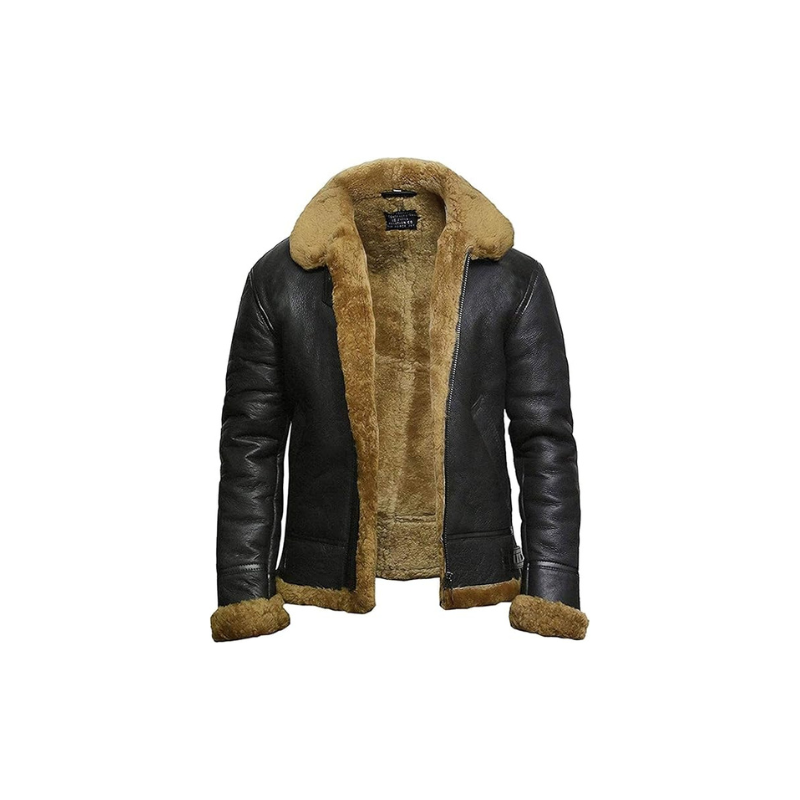
Vintage leather jackets have a unique appeal that modern garments often struggle to replicate. From their rich character and craftsmanship to the stories they seem to carry, vintage leather jackets offer a timeless style that never goes out of fashion. Whether you’re a fashion enthusiast, a collector, or simply looking for a high-quality jacket with personality, buying vintage can be an excellent investment.
However, not all vintage leather jackets are created equal. Age alone doesn’t guarantee quality, and purchasing the wrong jacket can lead to disappointment, costly repairs, or a garment that doesn’t stand the test of time.
In this guide, we’ll walk you through the most important factors to consider when buying a vintage leather jacket so you can make a confident and informed purchase.
Why Vintage Leather Jackets Are So Popular
Vintage leather jackets have experienced a resurgence in recent years, and for good reason. Many older jackets were crafted using premium materials and traditional manufacturing techniques that are less common today.
Some of the reasons people love vintage leather jackets include:
- Unique, one-of-a-kind character
- Superior craftsmanship
- Durable materials
- Timeless style
- Sustainable fashion choice
- Rich patina developed over time
Unlike brand-new jackets, vintage pieces often have a worn-in look that adds authenticity and personality to an outfit.
Check the Overall Condition of the Leather
The first thing to evaluate is the condition of the leather itself.
A vintage jacket should show signs of age, but excessive damage can indicate poor maintenance or a limited remaining lifespan.
Look for:
- Soft, supple leather
- Consistent texture
- Natural patina
- Minor wear that enhances character
Be cautious of:
- Deep cracks
- Severe dryness
- Peeling surfaces
- Large tears
- Brittle or stiff leather
A good vintage leather jacket should feel flexible rather than rigid. If the leather cracks when gently bent, it may be too damaged to restore effectively.
Understand the Type of Leather
The quality of the leather plays a major role in both durability and appearance.
Common leather types found in vintage jackets include:
Cowhide
Cowhide is thick, durable, and highly resistant to wear. It’s often found in motorcycle and workwear jackets.
Horsehide
Many collectors consider horsehide one of the finest leathers used in vintage jackets. It’s exceptionally strong and develops a beautiful patina over time.
Goatskin
Goatskin is lighter than cowhide while remaining highly durable. It typically has a distinctive grain pattern and excellent flexibility.
Sheepskin
Known for its softness and comfort, sheepskin is commonly used in flight and shearling jackets.
Understanding the leather type helps you determine the jacket’s value, intended use, and long-term durability.
Inspect the Stitching and Construction
One of the hallmarks of a quality vintage jacket is solid construction.
Examine the stitching carefully and look for:
- Straight seams
- Tight stitching
- Reinforced stress points
- Consistent thread quality
Watch for loose threads, unraveling seams, or amateur repairs that could indicate structural issues.
Many vintage jackets were built to last for decades, and strong stitching is often a sign of superior craftsmanship.
Evaluate the Hardware
Zippers, buttons, snaps, and buckles can reveal a lot about a jacket’s quality and authenticity.
Check that:
- Zippers move smoothly
- Snaps fasten securely
- Buttons are firmly attached
- Buckles show minimal damage
Well-known vintage hardware manufacturers are often associated with high-quality jackets. Original hardware can also increase a jacket’s collectibility and value.
Replacing damaged hardware is possible, but original components are generally preferred by collectors and enthusiasts.
Look for Signs of Authentic Age
As vintage fashion becomes more popular, some jackets are intentionally distressed to mimic age.
Authentic vintage wear tends to appear naturally in areas that experience regular movement and friction, such as:
- Sleeves
- Elbows
- Collar edges
- Cuffs
- Pocket openings
Natural fading, creasing, and patina are positive signs of genuine aging.
If wear patterns appear overly uniform or artificial, the jacket may not be truly vintage.
Verify the Fit
Sizing standards have changed significantly over the years. A vintage size label may not correspond to modern sizing.
For example, a vintage size 42 jacket may fit more like a modern size medium than a large.
Before purchasing:
- Check chest measurements
- Measure sleeve length
- Compare shoulder width
- Review jacket length
If buying online, always request detailed measurements rather than relying solely on the tagged size.
A properly fitted leather jacket should feel comfortable while allowing enough room for layering when needed.
Research the Brand and Origin
Some vintage leather jacket brands have earned legendary reputations for quality and craftsmanship.
Certain military-inspired, motorcycle, and heritage workwear brands are particularly sought after by collectors.
Researching the manufacturer can help you determine:
- Approximate age
- Original retail quality
- Materials used
- Collectible value
- Authenticity
Labels, tags, and manufacturing details often provide valuable clues about a jacket’s history.
Examine the Lining
While buyers often focus on the exterior leather, the lining is equally important.
Inspect the interior for:
- Tears
- Fraying
- Stains
- Excessive wear
- Missing sections
A damaged lining can sometimes be repaired or replaced, but extensive interior deterioration may affect comfort and usability.
A well-preserved lining often indicates that the previous owner took good care of the jacket.
Consider Odors and Storage Conditions
Leather naturally develops a distinctive scent over time, but strong odors may indicate underlying problems.
Be cautious of jackets with:
- Moldy smells
- Mildew odors
- Heavy smoke damage
- Chemical odors
Poor storage conditions can lead to moisture damage and mold growth that may be difficult to eliminate completely.
Whenever possible, ask about the jacket’s storage history before making a purchase.
Know the Difference Between Vintage and Retro
A common misconception is that vintage and retro mean the same thing.
Vintage
A genuine vintage jacket was produced in a previous era and has aged naturally over time.
Retro
A retro jacket is a modern garment designed to replicate the style of an older period.
Both can be excellent choices, but understanding the difference helps ensure you’re getting what you expect.
Determine Whether It’s Worth the Price
Vintage leather jacket prices vary significantly based on factors such as:
- Age
- Brand
- Leather quality
- Condition
- Rarity
- Historical significance
A higher price doesn’t automatically mean better value. Focus on quality, authenticity, and wearability rather than age alone.
Sometimes a well-preserved jacket from the 1990s may be a better purchase than a heavily damaged jacket from the 1960s.
Final Thoughts
Buying a vintage leather jacket is about more than just finding a stylish piece of outerwear—it’s about investing in craftsmanship, character, and timeless fashion. The best vintage jackets combine durable materials, quality construction, and unique personality that simply can’t be replicated by mass-produced garments.
By carefully evaluating the leather condition, stitching, hardware, fit, authenticity, and overall quality, you can confidently choose a vintage jacket that will serve you for years to come.
Whether you’re searching for a rugged biker jacket, a classic bomber, or a rare collector’s piece, taking the time to inspect the details will help you find a vintage leather jacket that’s truly worth adding to your wardrobe.
Browse our collection of premium leather jackets and discover timeless styles inspired by the heritage, craftsmanship, and enduring appeal of vintage leather fashion.